Identity-respecting
Your goals guide the discussion. Recommendations should support your identity without erasing the features that make you recognizable.
FACIAL FEMINIZATION SURGERY · CHINA
Individualized, anatomy-led facial feminization for international patients seeking a softer, more harmonious expression of self.
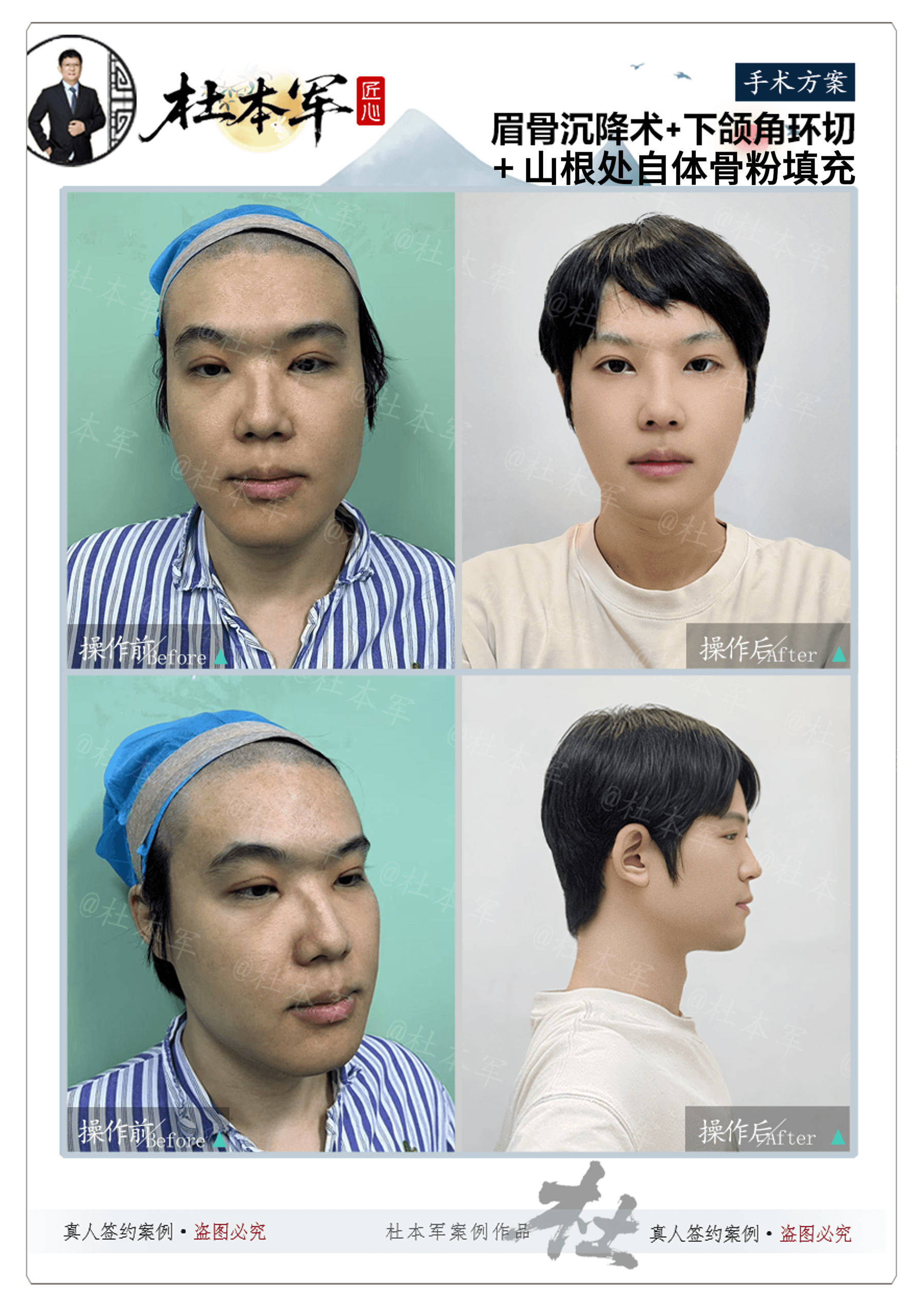
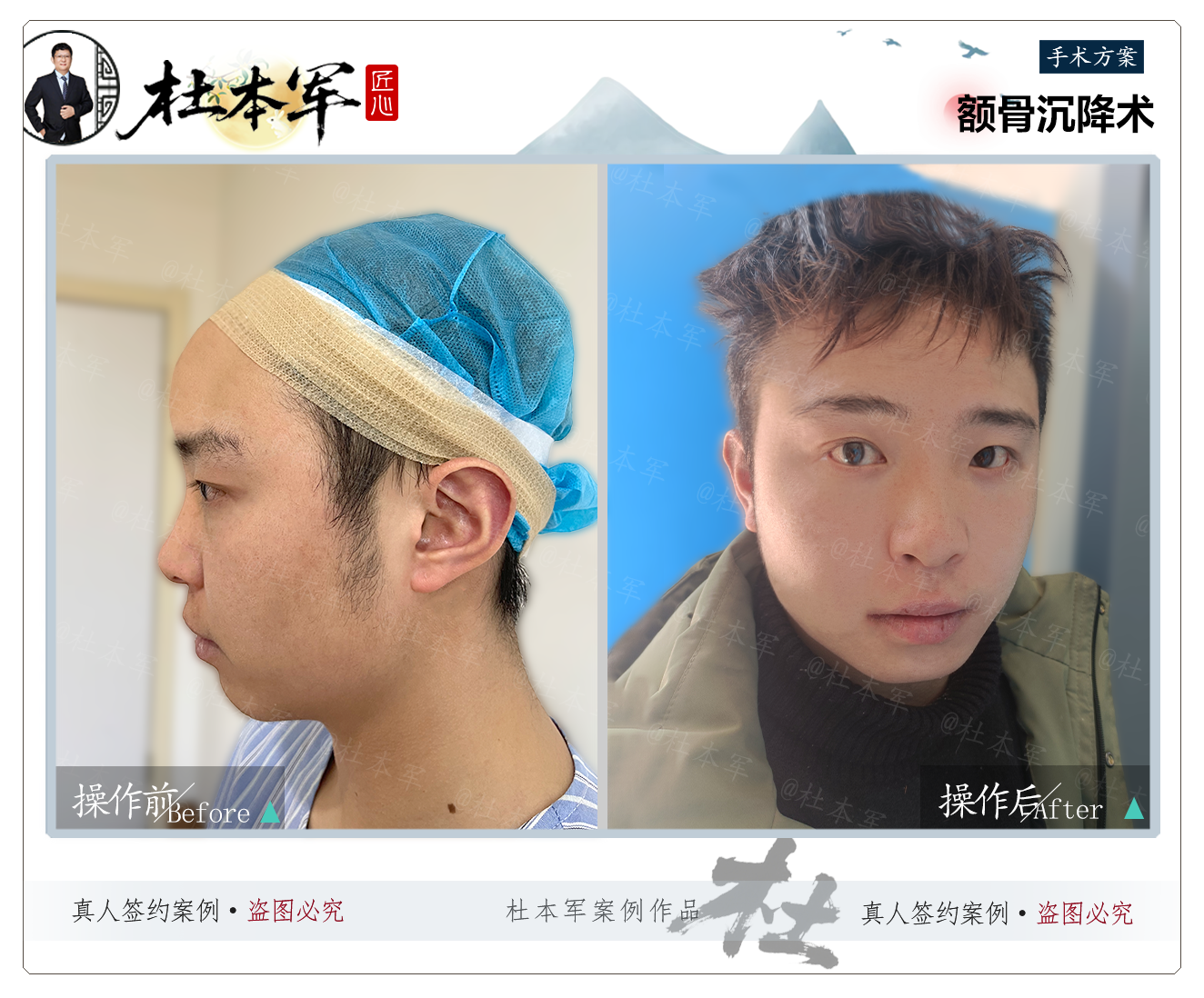
THE SURGICAL APPROACH
FFS is not a single operation. Each plan considers skeletal structure, soft tissue, facial proportions, personal goals and recovery priorities. The aim is a coherent result—not a collection of isolated procedures.
Your goals guide the discussion. Recommendations should support your identity without erasing the features that make you recognizable.
Bone, soft tissue, airway, nerves and dental relationships are assessed together when clinically relevant.
Benefits, limits, risks and recovery are discussed before deciding whether to combine or stage procedures.
SIGNATURE PROCEDURES
Procedure suitability can only be determined after a medical assessment and, when needed, imaging.
SELECTED CLINICAL CASES
Images are supplied clinical materials. Results vary by anatomy, procedure, healing and photography. Some images include postoperative scans or surgical specimens. Patient authorization should be confirmed before public use.

YOUR SURGEON
Craniofacial and maxillofacial surgeon · Guangzhou, China
AUTHORITY THROUGH CLINICAL DEPTH
Dr. Du’s work centers on craniofacial and maxillofacial contouring. His approach combines facial proportion analysis, skeletal imaging and individualized surgical planning, with particular attention to the forehead, brow, cheekbones, jaw and chin.
Credentials and hospital affiliation should be independently verified during consultation. A professional profile is not a guarantee of outcome.
PROFESSIONAL MATERIALS
A transparent consultation should include the surgeon’s identity, treatment location, operating environment and the team responsible for follow-up.
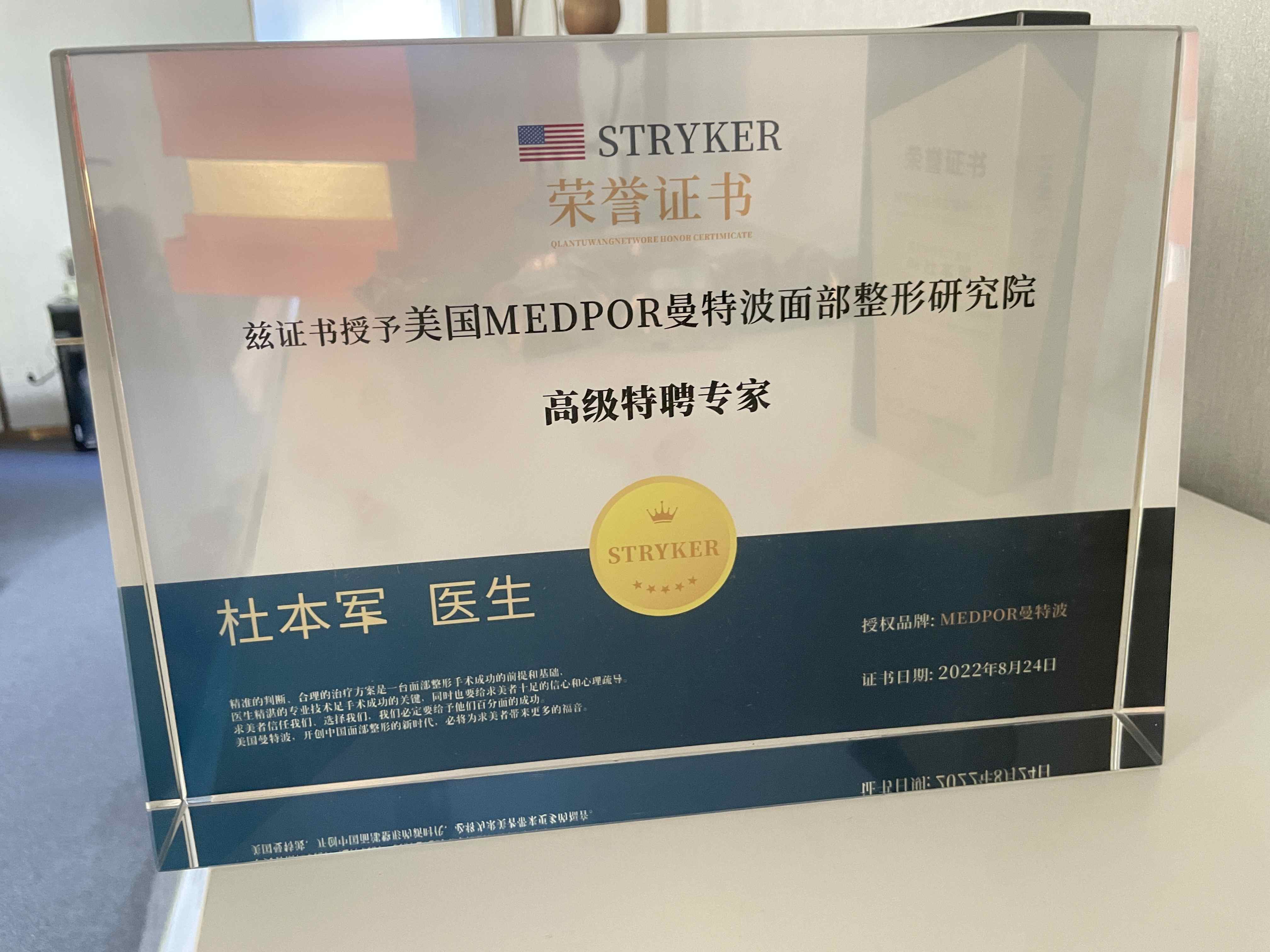
SURGEON & CLINICAL ENVIRONMENT
INTERNATIONAL PATIENT JOURNEY
Traveling to China for surgery requires clarity. Your coordinator helps organize communication, medical records, scheduling and practical preparations after the surgeon reviews your situation.
PREPARE FOR ASSESSMENT
TRUST SHOULD BE VERIFIABLE
Confirm the surgeon’s identity, credentials, role and experience with the specific procedures proposed.
Confirm the hospital, anesthesia team, pre-operative tests and emergency arrangements.
Ask about reviews, warning signs, complication pathways and remote follow-up after returning home.
COMMON QUESTIONS
PRIVATE CONSULTATION
Tell the coordinator what you hope to change. Your message opens a private discussion; it does not create a diagnosis or confirm suitability for surgery.